

Prostate cancer is one of the most common cancers affecting men worldwide. While much attention is given to physical symptoms and treatments, the mental health impact of prostate cancer treatment is often overlooked. From diagnosis to recovery, the emotional journey can be just as challenging as the physical one.
Understanding how prostate cancer treatment affects mental health is essential for patients, caregivers, and families to ensure holistic healing.
Understanding Prostate Cancer and Its Treatment
Before diving into mental health, it’s important to understand the treatment process. Common prostate cancer treatments include:
- Surgery (Prostatectomy)
- Radiation therapy
- Hormone therapy
- Chemotherapy
Each of these treatments comes with its own set of side effects, not only physically but also emotionally.
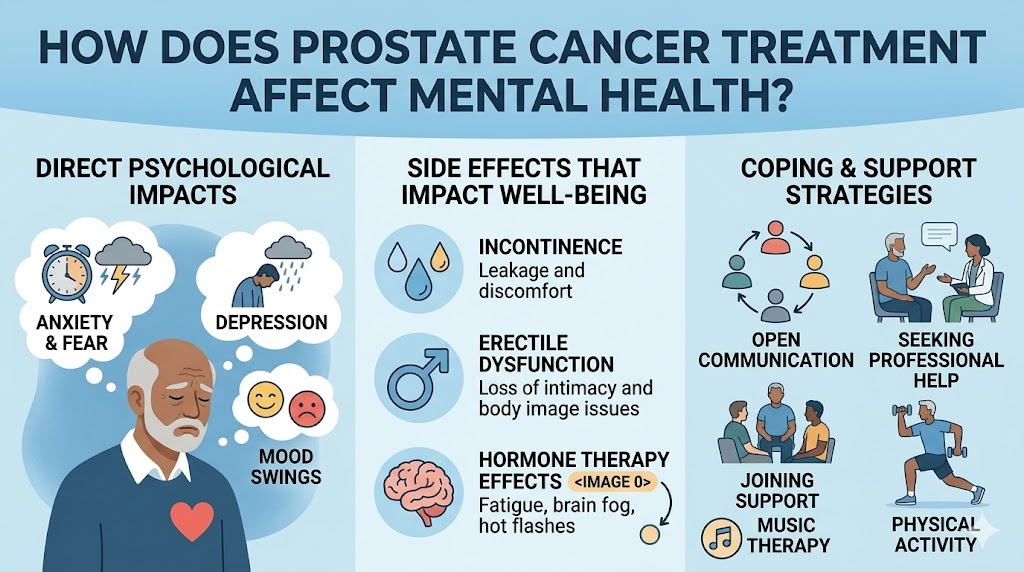
Emotional Impact of a Prostate Cancer Diagnosis
The moment a person is diagnosed with prostate cancer, it can trigger intense emotional responses. Many patients experience:
- Fear and anxiety about survival
- Shock and denial
- Stress about treatment decisions
This initial phase is critical because it sets the tone for the patient’s mental health journey. The uncertainty surrounding the disease often leads to prostate cancer anxiety and depression, which may persist throughout treatment.
Anxiety During Prostate Cancer Treatment
One of the most common mental health challenges is anxiety. Patients undergoing treatment often worry about the following:
- Treatment effectiveness
- Side effects
- Cancer recurrence
Hormone therapy, in particular, can intensify anxiety levels due to hormonal imbalances. Many men report feeling restless, overwhelmed, or constantly worried.
SEO Keyword focus: prostate cancer mental health, anxiety during prostate cancer treatment
Depression and Emotional Distress
Depression is another major concern. The physical toll of treatment combined with lifestyle changes can lead to feelings of sadness and hopelessness.
Some contributing factors include:
- Fatigue from treatment
- Changes in body image
- Reduced physical strength
Men may also struggle with expressing emotions due to societal expectations, which can worsen mental health issues in prostate cancer patients.
Impact on Self-Esteem and Identity
Prostate cancer treatments, especially surgery and hormone therapy, can affect sexual health and physical appearance. This can lead to:
- Loss of confidence
- Feelings of inadequacy
- Struggles with masculinity
These changes can deeply impact a patient’s self-image, leading to long-term emotional effects of prostate cancer treatment.
Relationship and Social Challenges
Mental health is also influenced by relationships. Many patients face:
- Communication gaps with partners
- Reduced intimacy
- Social withdrawal
Patients may isolate themselves due to embarrassment or fear of being a burden. This isolation can worsen depression and anxiety.
Cognitive Changes (“Chemo Brain”)
Some patients undergoing chemotherapy report cognitive issues, often referred to as “chemo brain.” Symptoms include:
- Memory problems
- Difficulty concentrating
- Mental fog
These cognitive changes can be frustrating and contribute to stress, impacting overall mental well-being.
Coping Strategies for Better Mental Health
Managing mental health during prostate cancer treatment is crucial. Here are some effective coping strategies:
1. Seek Professional Help
Therapists and counselors can provide emotional support and coping mechanisms.
2. Join Support Groups
Connecting with others facing similar challenges can reduce feelings of isolation.
3. Stay Physically Active
Light exercise like walking or yoga can improve mood and reduce stress.
4. Maintain Open Communication
Talking to family and friends helps in emotional release and support.
5. Practice Mindfulness and Meditation
Techniques like meditation can help manage anxiety and improve mental clarity.
Role of Caregivers in Mental Health Support
Caregivers play a vital role in supporting prostate cancer patients. Emotional encouragement, patience, and understanding can significantly improve a patient’s mental state.
Caregivers should also be aware of signs like the following:
- Persistent sadness
- Withdrawal from activities
- Changes in sleep patterns
Early intervention can prevent severe mental health issues.
Importance of Holistic Cancer Care
Modern healthcare is increasingly recognizing the importance of treating both body and mind. A holistic approach to prostate cancer treatment and mental health includes:
- Psychological counseling
- Emotional support programs
- Lifestyle guidance
This approach ensures better recovery and improved quality of life.
When to Seek Immediate Help
If a patient experiences severe symptoms such as
- Suicidal thoughts
- Extreme depression
- Panic attacks
Immediate professional help is necessary. Mental health is just as important as physical health during cancer treatment.
Conclusion
Prostate cancer treatment is not just a physical battle—it is an emotional and psychological journey as well. The mental health effects of prostate cancer treatment can be profound, impacting every aspect of a patient’s life.
By acknowledging these challenges and seeking proper support, patients can navigate this journey more effectively. Awareness, communication, and professional help are key to maintaining mental well-being during and after treatment.